

Exploring Leasehold? Here’s What You Need to Know
Understand the Ins & Outs of Leasehold Apartments in New Zealand
If you've started looking at apartments or property opportunities, you've probably come across the term leasehold. For many buyers, it's a concept they're aware of but don't fully understand. The good news is that leasehold ownership is often much simpler than people think.
At its core, leasehold property means you own the building or apartment, but the land it sits on is leased from another party, known as the landowner.
This ownership structure has been used successfully around the world for decades and can provide buyers with access to premium locations at a more affordable price point than comparable freehold properties.
How Does Leasehold Ownership Work?
When you purchase a leasehold apartment, you're buying the right to occupy and own the apartment itself for the duration of the lease.
The land beneath the development remains owned by a separate party, and in exchange for using that land, leasehold owners contribute ground rent as outlined in the lease agreement.
The lease will typically specify:
- The length of the lease term
- Ground rent arrangements
- Review periods for ground rent
- Rights and responsibilities of both parties
These details are transparent and available to buyers before purchase, allowing you to make an informed decision.
Why Do People Choose Leasehold Property?
For many buyers, affordability is the biggest advantage. Because the cost of the land is not included in the purchase price, leasehold properties are often significantly more affordable than equivalent freehold properties in the same area. This can open the door to locations that may otherwise be out of reach.
Buyers are often attracted to leasehold apartments because they offer:
- Lower entry prices
- Access to desirable locations
- Modern apartment living
- Potentially lower borrowing requirements
- Opportunities for first-home buyers and downsizers
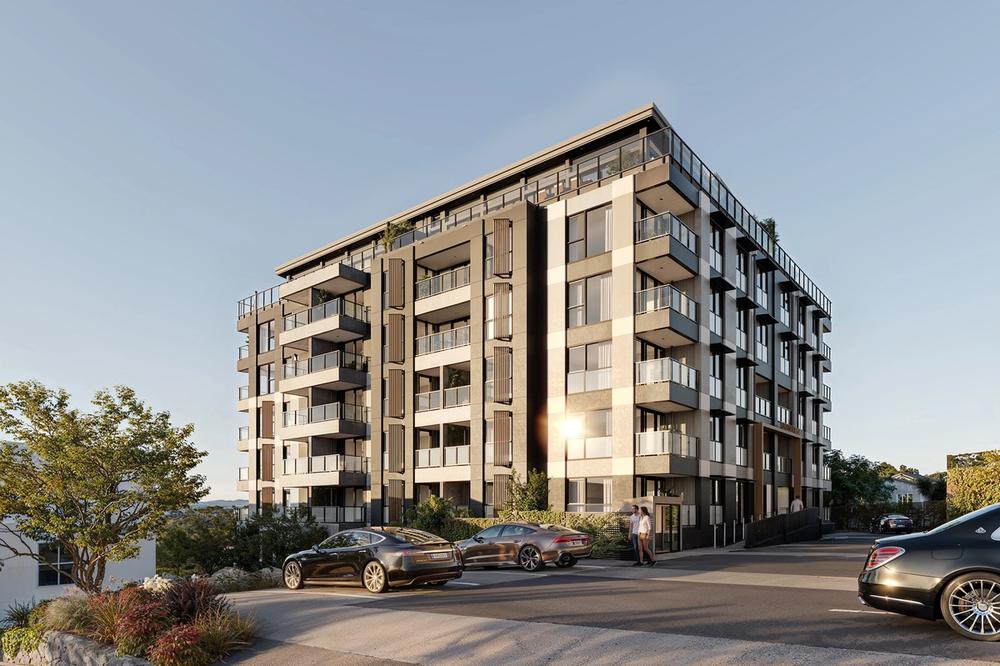
Is Leasehold Right for Everyone?
Like any form of property ownership, leasehold has advantages and considerations. It's important to understand the terms of the lease, the ground rent structure, and your long-term plans before making a purchase. For some buyers, leasehold provides an affordable pathway into property ownership. For others, a freehold property may better suit their needs. The key is understanding the ownership structure and seeking professional advice where appropriate.
Common Misconceptions
One of the most common myths is that leasehold owners "don't own anything." In reality, leasehold owners have a legal ownership interest in their apartment and the right to occupy and enjoy it under the terms of the lease.
Another misconception is that leasehold properties are difficult to finance. Many leasehold properties are financed every year, although lending criteria can vary between lenders and developments.
Why Does Wallace Sell Leasehold Apartments?
At Wallace, we believe that quality homes in great locations should be accessible to more New Zealanders. Leasehold ownership can help make that possible by reducing the upfront purchase price while still providing buyers with the opportunity to own a modern, well-designed home. For many people, leasehold apartments offer a practical pathway into home ownership, allowing them to live closer to work, transport, amenities, and the communities they want to be part of.
Our focus is on creating homes that deliver long-term value, quality design, and an enjoyable living experience, while helping buyers make informed decisions about their property journey.
Final Thoughts
Leasehold ownership isn't inherently good or bad - it's simply a different form of property ownership. Understanding how it works can help buyers make confident decisions and potentially access homes and locations that might otherwise be beyond their budget. As with any property purchase, taking the time to understand the details is the best way to determine whether leasehold ownership aligns with your goals.
Frequently Asked Questions About Leasehold Property
Do I own my apartment if it's leasehold?
Yes. As a leasehold owner, you own the apartment or dwelling itself and have the legal right to occupy, sell, or transfer that ownership, subject to the terms of the lease. The key difference is that the land is owned by a separate party and leased to the property owners.
Why are leasehold properties often more affordable?
Because the purchase price does not include ownership of the underlying land, leasehold properties are often priced lower than comparable freehold properties in the same location. This can make desirable areas more accessible to buyers.
What is ground rent?
Ground rent is a payment made to the landowner for the use of the land beneath the property. The amount, review periods, and terms are outlined in the lease agreement and should be reviewed carefully before purchasing.
Can I get a mortgage on a leasehold property?
In many cases, yes. Banks and lenders regularly finance leasehold properties, although lending criteria can vary depending on the remaining lease term, ground rent arrangements, and the specific development.
Can I sell a leasehold apartment?
Yes. Leasehold properties can be bought and sold in the same way as many other types of property. Prospective buyers will typically review the lease terms as part of their due diligence process.
How long does a leasehold lease last?
Lease terms vary between developments and landowners. Some leases may have many decades remaining, while others may have different arrangements. Buyers should always review the remaining lease term before purchasing.
Are leasehold properties a good option for first-home buyers?
For many first-home buyers, leasehold properties can provide an opportunity to enter the property market at a lower price point and in locations that may otherwise be unaffordable. Whether it is the right option depends on individual circumstances and financial goals.
What should I review before buying a leasehold property?
It's important to understand:
- The remaining lease term
- Ground rent obligations
- Ground rent review mechanisms
- Body corporate fees (if applicable)
- Any restrictions or obligations contained within the lease
Professional legal and financial advice is strongly recommended before purchasing any property.
Is leasehold ownership common in New Zealand?
Yes. Leasehold ownership has existed in New Zealand for many years and is particularly common in some urban locations, apartment developments, waterfront areas, and land owned by institutions or trusts.
How can I find out if a leasehold property is right for me?
The best approach is to consider your budget, lifestyle goals, preferred location, and long-term plans. Understanding the lease structure and seeking professional advice will help you determine whether leasehold ownership aligns with your needs.
Get in touch with Dan Horrobin on 021 595 976 or dan@wallace.co with any questions, advice, or help finding your own leasehold apartment.